WhatsApp Image 2024-12-05 at 19.04.54

The Discipline of Music – A Lifelong Skill Set

Music, often celebrated as an art form that stirs the soul, is also a rigorous discipline that molds character and builds essential life skills. Whether you’re practicing scales on a marimba, mastering drumline techniques, or playing in a band, the journey of music teaches lessons that resonate far beyond the notes.

The Art of Practice

At the heart of musical growth lies practice—a structured, intentional effort to refine skills. This discipline requires perseverance, focus, and a commitment to improvement. From foundational exercises like the “4-2-1 framework” in percussion to detailed techniques for stroke precision, practice transforms potential into mastery.

Effective practice doesn’t just build technical ability; it nurtures patience and resilience. Musicians learn to embrace mistakes as stepping stones, understanding that progress often comes through repetition and refinement.

Building Essential Skills

  1. Teamwork and Communication
    In ensembles or bands, musicians must sync their rhythms and harmonies, relying on clear communication and mutual respect. The collaborative nature of music-making strengthens interpersonal skills, teaching individuals to listen, adapt, and lead when necessary.
  2. Time Management
    Juggling rehearsals, performances, and personal practice cultivates excellent time management. Musicians learn to prioritize tasks and balance commitments, a skill invaluable in all areas of life.
  3. Critical Thinking and Problem-Solving
    Analyzing compositions, troubleshooting technical challenges, and interpreting musical expressions sharpen critical thinking. Musicians become adept problem-solvers, capable of thinking creatively under pressure.
  4. Physical Coordination and Stamina
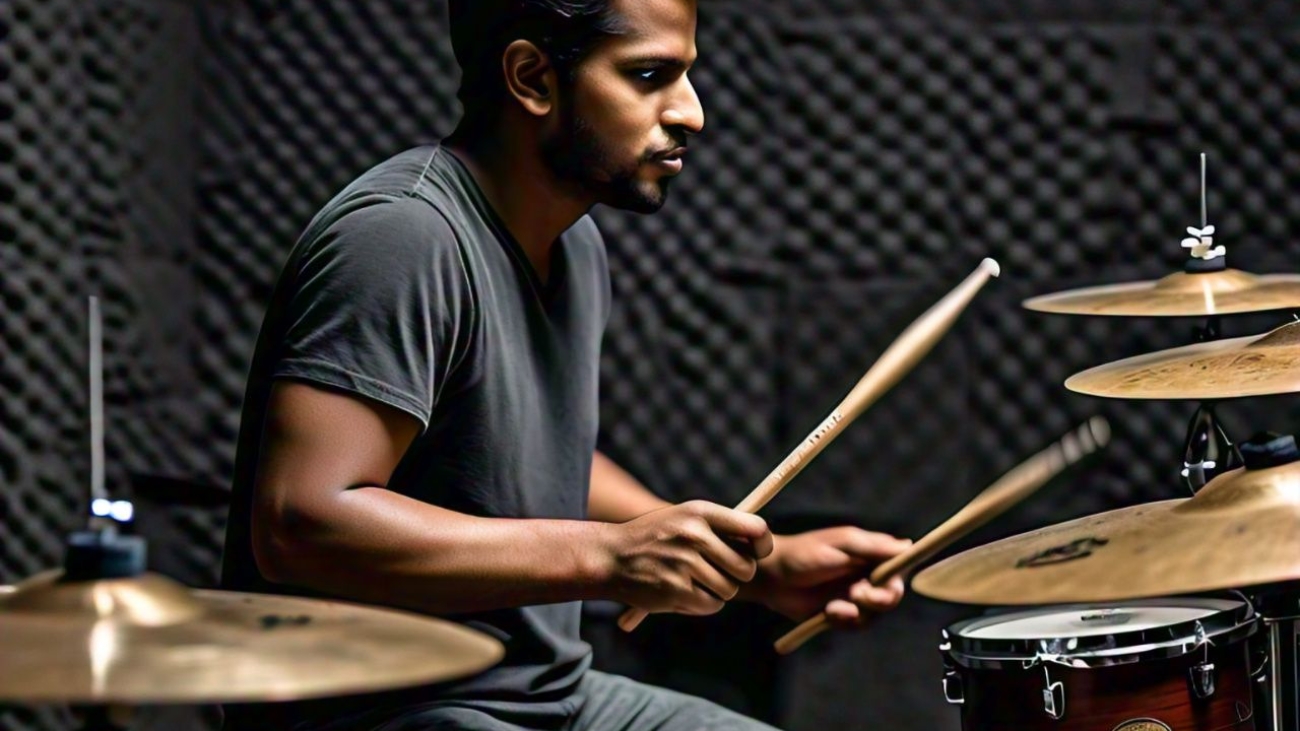
    Techniques like the proper grip, muscle control, and playing zones for percussionists demonstrate how music hones fine motor skills and physical endurance.
  5. Emotional Intelligence
    Music demands emotional engagement. Expressing dynamics and moods fosters self-awareness and empathy, enriching interpersonal relationships.

A Mindset for Success

The discipline of music nurtures a growth mindset—a belief in the ability to improve through effort. Drumline culture, for example, emphasizes grit, precision, and a commitment to excellence, shaping individuals who excel not only in music but in academics, leadership, and professional endeavors.

Beyond the Practice Room

The skills gained through musical discipline have profound transfer value. Former musicians often excel in fields as diverse as architecture, education, and business, attributing their success to the habits and values instilled by their musical training.

Music as a Lifelong Teacher

The discipline of music is not merely about becoming a better musician; it’s about becoming a better person. The lessons learned in practice rooms and on stages echo throughout life, building character, fostering resilience, and shaping individuals ready to meet any challenge.
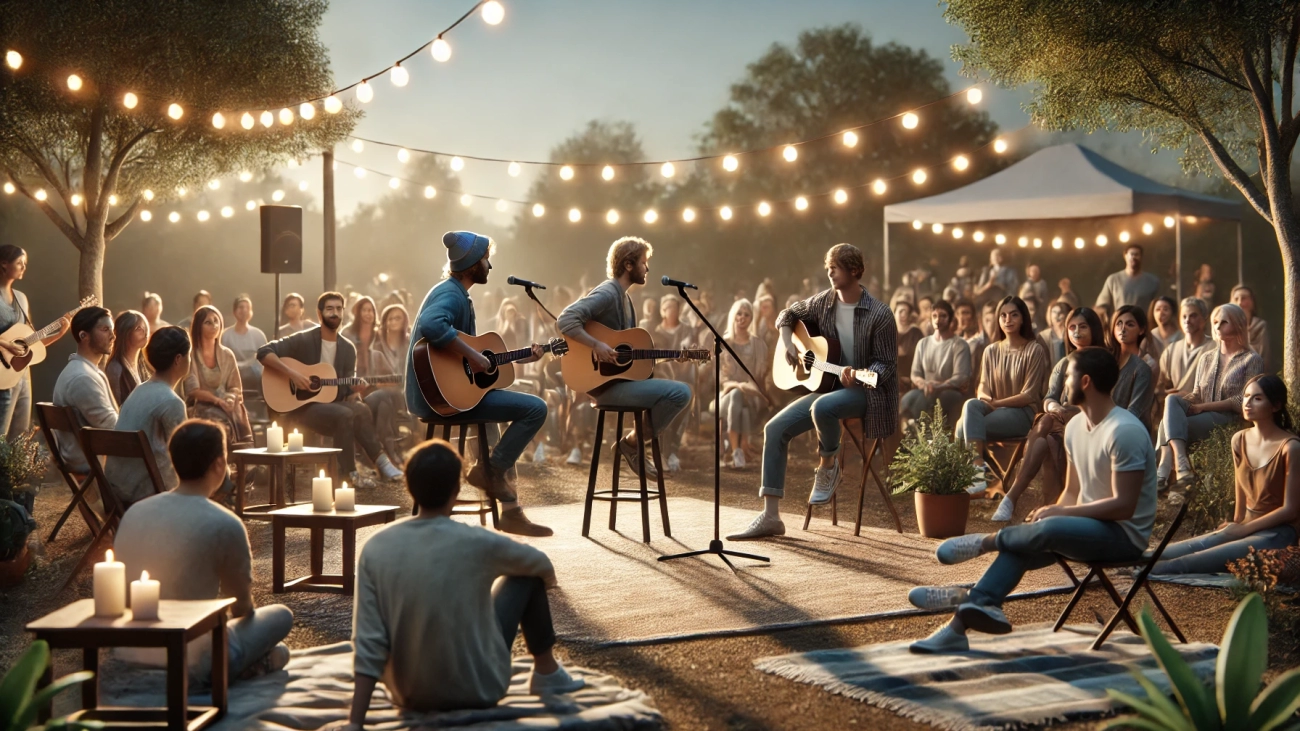
DALL·E 2024-12-05 18.55.06 - A realistic scene of a small, intimate outdoor gathering where two musicians are playing acoustic guitars for a small, seated crowd. The musicians are

The Universal Language: Music’s Role in Society

Music is far more than a collection of sounds and rhythms; it is a universal language that transcends borders, cultures, and generations. Throughout history, music has played a profound role in shaping societies, bringing people together, and inspiring change.

A Reflection of Culture

Music serves as a mirror to society, reflecting its values, struggles, and triumphs. From traditional folk songs to modern pop anthems, the music of a time and place tells stories that words alone cannot. It preserves cultural identity, passing down history, beliefs, and traditions through melodies and rhythms.

In South Africa, for instance, marimba music is a vibrant expression of community and collaboration, embodying the spirit of unity and resilience. Instruments like the marimba carry cultural significance, creating a bridge between generations while fostering a shared sense of identity.

A Catalyst for Change

Music has the power to inspire movements and drive social change. Protest songs, national anthems, and powerful ballads have fueled revolutions and united people in pursuit of a common goal. Songs like Nkosi Sikelel’ iAfrika remind us of music’s ability to inspire hope and strength in the face of adversity.

By giving a voice to the voiceless, music creates a platform for dialogue and understanding, encouraging empathy and action.

Building Connections

Few things connect people as effortlessly as music does. From global concerts to small gatherings around a fire, music creates shared experiences that break down barriers. It fosters a sense of belonging, reminding us that no matter our differences, we can find harmony in a simple melody.

In today’s fast-paced, technology-driven world, music remains a powerful tool for building connections. Whether through community choirs, bands, or digital platforms, it brings people together, nurturing relationships and fostering collaboration.

Education and Personal Growth

Music plays a crucial role in education and personal development. Learning to play an instrument, sing, or compose develops discipline, creativity, and teamwork. It boosts confidence, sharpens cognitive skills, and instills a lifelong appreciation for the arts.

Programs like those offered by JLS Music highlight the transformative impact of music on young minds. Through marimba education and band participation, students not only learn technical skills but also develop essential life skills like communication, resilience, and leadership.

A Source of Joy

At its core, music is about joy. It lifts our spirits, soothes our pain, and helps us celebrate life’s moments, big and small. Whether it’s the energetic pulse of a marimba band or the soothing chords of a favorite song, music reminds us to find beauty in the everyday.

Music Matters

In every corner of the world, music plays an essential role in society. It educates, inspires, and connects us, reminding us of our shared humanity. As we embrace the power of music, we not only enrich our lives but also strengthen the fabric of our communities.

At JLS Music, we’re committed to creating instruments and experiences that empower people to share in the universal language of music. Together, let’s keep the rhythm alive.